How a TRT Clinic Near Me Can Help You Regain Confidence
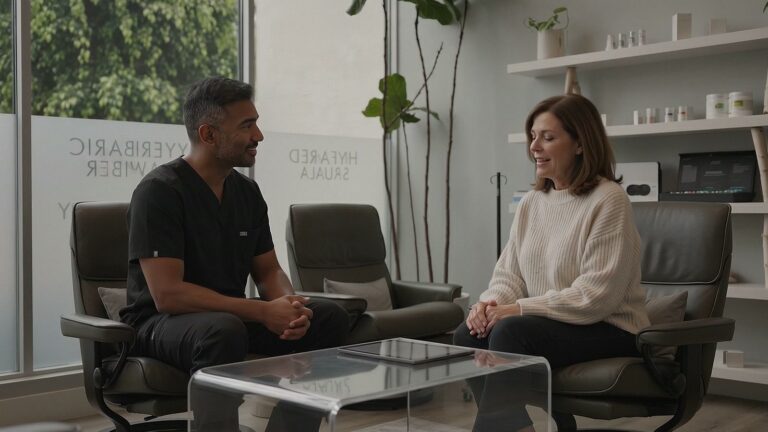
Confidence rarely disappears all at once. More often, it thins out quietly. A man who used to handle long workdays without thinking starts dragging by midafternoon. The gym feels heavier, sleep feels lighter, and motivation slips in ways trt clinic near me that are hard to explain. Irritability creeps in. Sex drive drops. Focus gets patchy. At first, many people write it off as stress, age, or a rough season.
Sometimes that is true. Sometimes it is not.
Low testosterone can affect how a man feels in his body, how he performs at work, how he shows up in relationships, and how much energy he has for ordinary life. When symptoms stack up over time, they often hit confidence from several angles at once. That is where finding a reputable trt clinic near me can make a meaningful difference. Not because testosterone therapy is a magic fix, and not because every tired man needs treatment, but because the right clinic can help you sort out what is actually happening and whether testosterone replacement therapy is appropriate.
The key is the right clinic, not just the closest one.
Confidence often changes before men realize why
A lot of men who eventually seek TRT do not start by saying, “I think my hormones are off.” They say something more practical. They are exhausted for no clear reason. They cannot recover from workouts like they used to. They feel mentally flat. They avoid intimacy because performance has become inconsistent. They snap at people they care about. They lose some of the drive that once felt natural to them.
That kind of change can shake self-trust. You start second-guessing yourself in places where you used to feel steady. For some men, it shows up in the mirror as loss of muscle tone, increased belly fat, or a softer physique despite decent habits. For others, the blow is more private, especially when libido and erectile quality decline. Many carry that stress silently for months or years.
A good TRT clinic understands that confidence is not a vague, motivational concept. It is tied to sleep, hormones, body composition, sexual health, mental clarity, and emotional stability. A serious clinic looks at the whole picture instead of treating one symptom in isolation.
What a TRT clinic actually does
There is a common misconception that a testosterone clinic simply hands out prescriptions after a quick consultation. High-quality clinics do the opposite. They evaluate whether your symptoms and lab values fit a diagnosable pattern, whether something else could be causing those symptoms, and whether treatment makes medical sense for your situation.
That process matters because low testosterone symptoms overlap with many other conditions. Sleep apnea, chronic stress, depression, thyroid disorders, obesity, insulin resistance, overtraining, excessive alcohol use, and some medications can all mimic or worsen low testosterone. If a clinic skips that workup, you may end up chasing the wrong answer.
A thorough TRT clinic usually starts with a detailed health history and symptom review. That includes energy levels, mood, libido, erections, sleep quality, body composition changes, exercise recovery, medication use, fertility goals, and personal or family history of certain conditions. Blood work should go beyond a single total testosterone number. Depending on the case, a clinician may also review free testosterone, sex hormone binding globulin, estradiol, complete blood count, metabolic markers, PSA when appropriate, thyroid function, and other relevant labs.
The best part of that process is clarity. Even if TRT turns out not to be right for you, you leave with more useful information than you had before.
Why “near me” matters more than convenience
The phrase trt clinic near me often starts as a simple search for convenience. That makes sense. If you are dealing with fatigue, low drive, and brain fog, you probably do not want to travel across the state for appointments. But proximity matters for another reason: follow-up.
TRT is not a one-time event. It is an ongoing medical treatment that requires monitoring and adjustment. Dose, delivery method, symptom response, side effects, and lab values all need attention over time. A nearby clinic makes it easier to stay consistent with appointments, repeat labs, and have real conversations when something changes.
That kind of access can be especially valuable in the first few months. Some men respond quickly to treatment, while others need dose changes or evaluation of other contributing factors. A local clinic can help you avoid the common problem of feeling great for six weeks, then confused or frustrated when the initial effect changes and nobody is available to guide the next step.
There is also a practical human factor. Trust builds faster when you can sit across from a clinician, ask blunt questions, and get answers that are specific to your health rather than generic reassurance.
The confidence piece is physical, mental, and relational
When TRT is appropriate and well-managed, men often describe the benefits in very grounded terms. They do not usually say they feel like a different person. They say they feel like themselves again.
That distinction matters.
Testosterone can affect confidence because it influences several systems at once. Improved energy means you stop negotiating with yourself over every basic task. Better recovery makes exercise feel productive again. Improved libido can restore a sense of connection and ease in a relationship. Sharper focus can improve your workday. Changes in body composition can make getting dressed in the morning less frustrating. None of those outcomes is purely cosmetic or purely psychological. They reinforce one another.
I have seen men come into a clinic convinced they had somehow become lazy or unmotivated, when in reality they had been functioning for months on depleted reserves. Once treatment, better sleep, weight management, and monitoring were in place, their language changed. They stopped describing themselves as failing and started describing themselves as recovering.
That shift is where confidence often begins. Not with hype, but with evidence.
What treatment can realistically improve
TRT can help, but it helps most when expectations are clear. Some men notice early improvements in libido, morning energy, or mood within several weeks. Body composition and strength changes tend to take longer. Mental clarity and motivation may improve gradually rather than dramatically. Sexual function can improve, though erections are influenced by many factors beyond testosterone, including vascular health, sleep, stress, and medications.
The men who do best are usually the ones who understand that TRT is part of a broader health strategy. If sleep remains terrible, alcohol intake stays high, and exercise disappears, results may be modest. Hormone therapy cannot fully overcome the effects of neglecting the basics. On the other hand, when TRT is paired with better habits, it can give men enough energy and stability to rebuild those habits consistently.
That is one of the less talked-about benefits. For some patients, the therapy itself is only part of the story. The bigger change is that they finally have the bandwidth to act on the advice they have been hearing for years.
A good clinic looks for fit, not just eligibility
Not every man with a low-normal lab value needs TRT. Not every man with symptoms has low testosterone. A responsible clinic knows the difference.
A strong consultation should include discussion of your age, symptom burden, baseline lab patterns, weight, sleep quality, cardiovascular risk factors, fertility plans, and treatment goals. If you are hoping to have children in the near future, that deserves special attention because testosterone therapy can suppress sperm production. If you already have untreated sleep apnea or a high hematocrit, that needs careful management. If you have symptoms but your labs are normal, a clinician should say so clearly and help investigate other causes rather than pushing treatment anyway.
That kind of restraint is a good sign. It tells you the clinic is thinking like a medical practice, not a sales operation.
How to tell whether a TRT clinic is worth your time
A polished website can make almost any clinic look credible. What matters is what happens in the consultation and follow-up. You are looking for a practice that is careful, responsive, and medically grounded.
Here are a few signs you are dealing with a clinic that takes your health seriously:
- They order comprehensive labs instead of relying on one testosterone number.
- They ask about sleep, weight, stress, medications, and fertility before recommending treatment.
- They explain benefits, risks, alternatives, and monitoring in plain language.
- They schedule follow-up labs and dose reviews rather than leaving you on autopilot.
- They do not promise dramatic transformations or instant results.
Those points sound basic, but they separate real care from aggressive marketing. Men are often vulnerable when they seek help for low energy, low libido, or body changes. Confidence has already taken a hit, which makes easy promises more tempting. A trustworthy clinic slows the process down enough to get it right.
The first appointment, what to expect
If you have never been to a hormone clinic before, it helps to know what the visit may feel like. In a well-run practice, the first conversation is more detailed than many patients expect. A clinician may ask about symptoms you have normalized or stopped mentioning to anyone. That can be surprisingly validating. Men often realize, halfway through a history, that the issue has been affecting far more of life than they admitted.
You may be asked when symptoms started, whether they came on gradually or suddenly, how your sleep has changed, whether your strength or endurance has dropped, how often you exercise, what your diet looks like, and whether your sex drive and erectile function have changed. Family history matters too. So do previous lab results, if you have them.
Blood work is usually the turning point. Testosterone levels can fluctuate, so timing and repeat testing may matter. A good clinic explains that one number without context can mislead. That explanation alone often reassures patients who have spent weeks comparing internet screenshots of lab panels without knowing what applies to them.
Delivery methods and why personalization matters
TRT is not one-size-fits-all. Some men do well with injections. Others prefer gels or different approaches depending on their medical history, routine, skin sensitivity, travel schedule, or comfort level. Each method has trade-offs in convenience, absorption, stability, and cost.
For example, a man who travels constantly for work may care more about simplicity and storage than someone who works from home and does not mind a regular injection schedule. Another patient may prefer avoiding transference concerns that can come with topical products if young children or a partner are frequently in close contact. These practical details matter because treatment works best when it fits your life well enough that you actually follow through.
This is another reason a local clinic can help. If the first method is not ideal, a nearby provider can make adjustments based on real feedback rather than leaving you to troubleshoot alone.
Risks, side effects, and the conversations that should happen
Any honest discussion about TRT has to include downsides. Testosterone therapy can be beneficial for the right patient, but it is still a medical treatment with real considerations. Some men experience acne, fluid retention, breast tenderness, changes in mood, or elevations in hematocrit. Fertility can be affected. Existing conditions may need closer monitoring. Lab follow-up is not optional.
The confidence benefit of a good clinic comes partly from this transparency. When a doctor or clinician explains the trade-offs clearly, you can make decisions from a place of control rather than desperation. There is a psychological difference between being sold treatment and being guided through it.
That difference becomes even more important when results are mixed. Not every symptom improves equally. If fatigue lifts but body composition lags, a good clinic will look at sleep, nutrition, training, thyroid markers, and stress rather than assuming testosterone should solve everything. That kind of thinking protects both your health and your expectations.
Confidence in relationships often returns quietly
One of the most meaningful effects of properly managed TRT is not visible from the outside. Men often become more present at home before they notice obvious physical changes. Better energy means they are less withdrawn in the evening. Better sleep and mood can soften irritability. Improved libido can rebuild intimacy that had become tense or avoidant.
Partners often notice these changes early. Not because TRT creates a new personality, but because it can remove the drag that has been affecting everyday interactions. A man who no longer feels depleted all the time tends to communicate better, initiate more, and show up with more patience.
That said, TRT is not relationship therapy. If a couple has been under strain for a long time, hormone treatment may improve part of the picture without fixing all of it. Good clinics do not oversell what a prescription can do. They simply recognize that physical vitality and relational confidence are connected.
The gym is often where men notice the problem first
Plenty of men begin searching for a trt clinic near me after months of frustration in training. Workouts that used to build muscle now just create soreness. Strength stalls. Recovery drags. Body fat gathers around the waist even when diet has not changed much. For men who have always relied on exercise to manage stress and identity, this can be deeply discouraging.
TRT can help restore the hormonal support needed for training adaptation, but it still requires patience. A man who expects two weeks of treatment to reverse two years of decline is setting himself up for disappointment. The more realistic pattern is steadier workouts, better recovery, gradual strength gains, and improved body composition over time.
Clinically, this matters because gym performance can be a useful marker, but not the only one. If a patient is sleeping better, thinking more clearly, and feeling stronger in the gym, that is a meaningful trend. If his labs look better but he still feels awful, a good clinic keeps digging.
Cost, convenience, and value
Cost is a real part of the decision, and men should ask direct questions. Pricing can vary widely based on consultation fees, lab frequency, medication type, insurance involvement, and whether supplies or follow-up visits are bundled. The cheapest option is not always the best value if it cuts corners on monitoring or communication. The most expensive option is not necessarily more skilled.
Instead of focusing only on monthly price, consider what is included. Are repeat labs built into the plan? How easy is it to reach a clinician if side effects arise? Will someone review your symptoms and adjust treatment, or are you essentially paying for a refill service? Those details have a direct effect on outcomes.
If a local clinic costs slightly more but offers stronger follow-up, that may save money and frustration in the long run. Convenience matters, but competent management matters more.
Questions worth asking before you commit
You do not need to walk into a consultation already fluent in endocrinology. You do need a few practical questions that reveal how the clinic operates.
- What labs do you order before starting treatment?
- How often do you repeat labs after treatment begins?
- How do you handle patients who want to preserve fertility?
- What side effects do you watch for most closely?
- Who do I contact if my symptoms change between appointments?
A clinic that answers these clearly is usually easier to trust. Vague answers, rushed explanations, or heavy pressure to start immediately should make you cautious.
Regaining confidence is rarely about ego
There is a stereotype that men seek testosterone treatment only for appearance or performance. In practice, most are looking for something more basic. They want to stop feeling older than they are. They want to function better at work, engage more fully with family, and feel some level of drive again. They want their body to respond to effort. They want intimacy to feel natural, not stressful.
That is not vanity. That is quality of life.
A good TRT clinic understands that confidence is built through competence, consistency, and physical well-being. If treatment is appropriate, the clinic helps you restore those things carefully. If treatment is not appropriate, the clinic should still help you move closer to the real answer. Either way, the best outcome is the same: less guessing, more clarity, and a plan grounded in your actual health.
If you have been searching for a trt clinic near me, the search itself may be telling you something important. Not that you definitely need testosterone, but that your current baseline no longer feels right. That is worth taking seriously. The right clinic can help you sort symptoms from assumptions, identify what is reversible, and decide whether TRT belongs in your care plan.
For many men, confidence returns the same way it was lost, gradually. Better sleep. Better energy. Better workouts. Better focus. Better connection at home. The difference is that this time, the change is moving in the right direction.
SDBody La Jolla
Address: 7710 Fay Ave, La Jolla, CA 92037
Phone number: +18584012383
FAQ About TRT Clinic Near Me
How much does TRT cost on average?
The average all-in cost of Testosterone Replacement Therapy (TRT) typically ranges from $100 to $500 per month, or about $1,200 to $6,000 annually.
Will insurance cover TRT clinic?
Health insurance covers testosterone replacement therapy (TRT) only when a doctor diagnoses clinical hypogonadism and proves it is medically necessary.
What does Joe Rogan use for TRT?
Joe Rogan uses prescribed testosterone injections under doctor supervision for his testosterone replacement therapy (TRT).